Identify Your Primary Goal
Before looking at materials, ask yourself: Why am I installing a fence? Your answer will narrow down your options significantly.
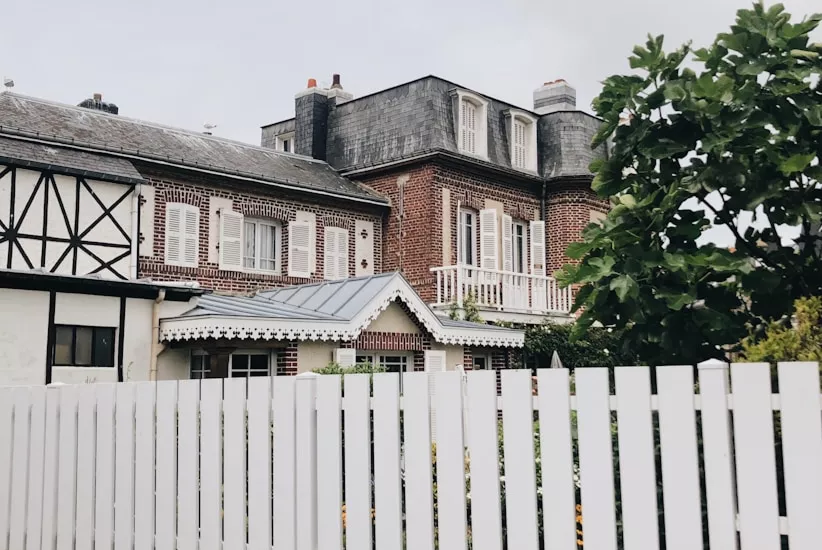
- Privacy: If you want to block the view from neighbors or the street, look for solid, gapless designs like tall wood or vinyl panels.
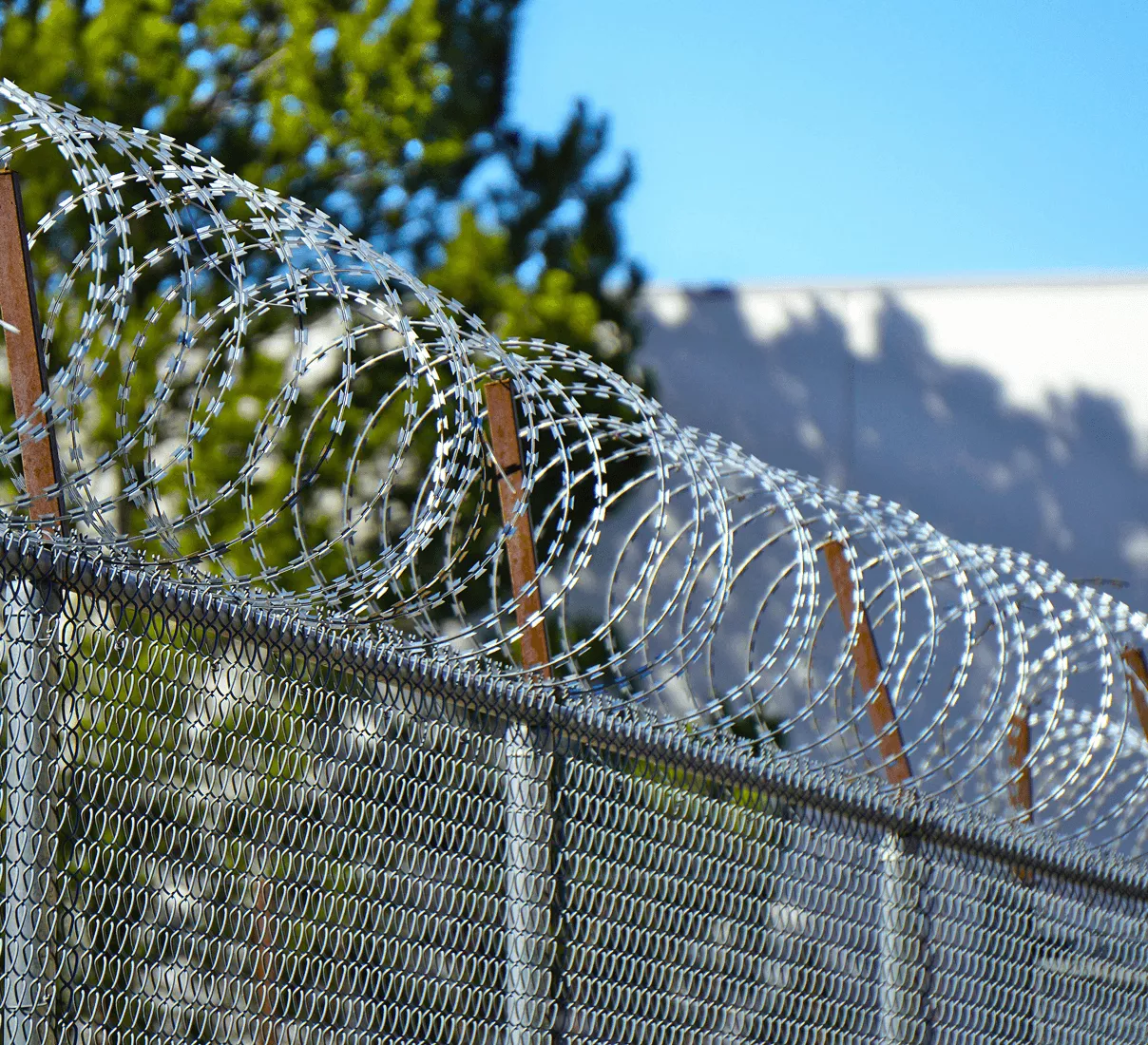
- Security: To deter intruders, choose sturdy materials like wrought iron or tall aluminum with pointed pickets.
- Aesthetics: If the goal is to boost “curb appeal,” decorative options like low-profile picket fences or ornamental metal are excellent choices.
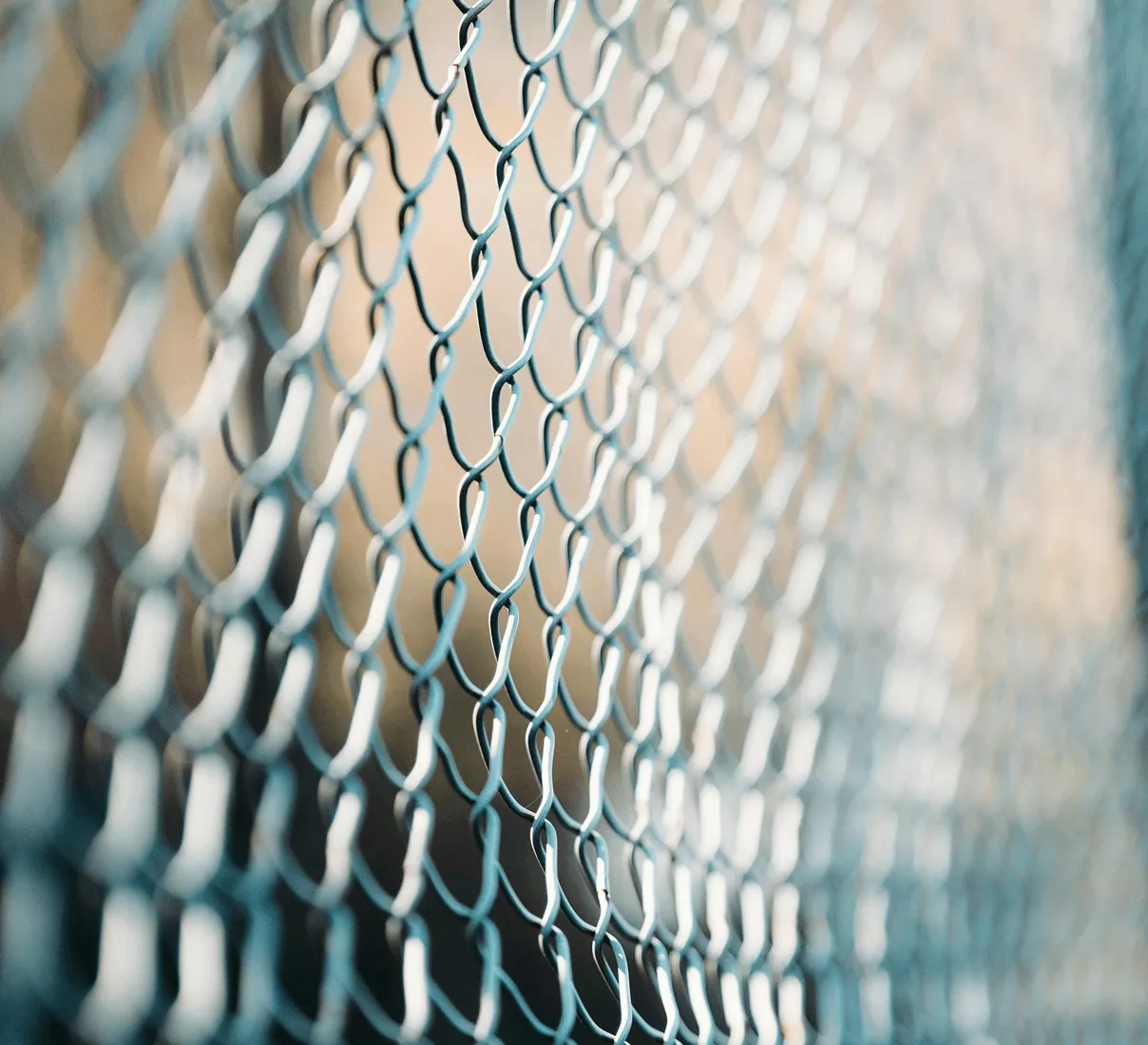
- Containment: To keep children or pets safe, a chain-link fence or a smooth-surfaced vinyl fence is practical and effective.
Consider Maintenance and Longevity
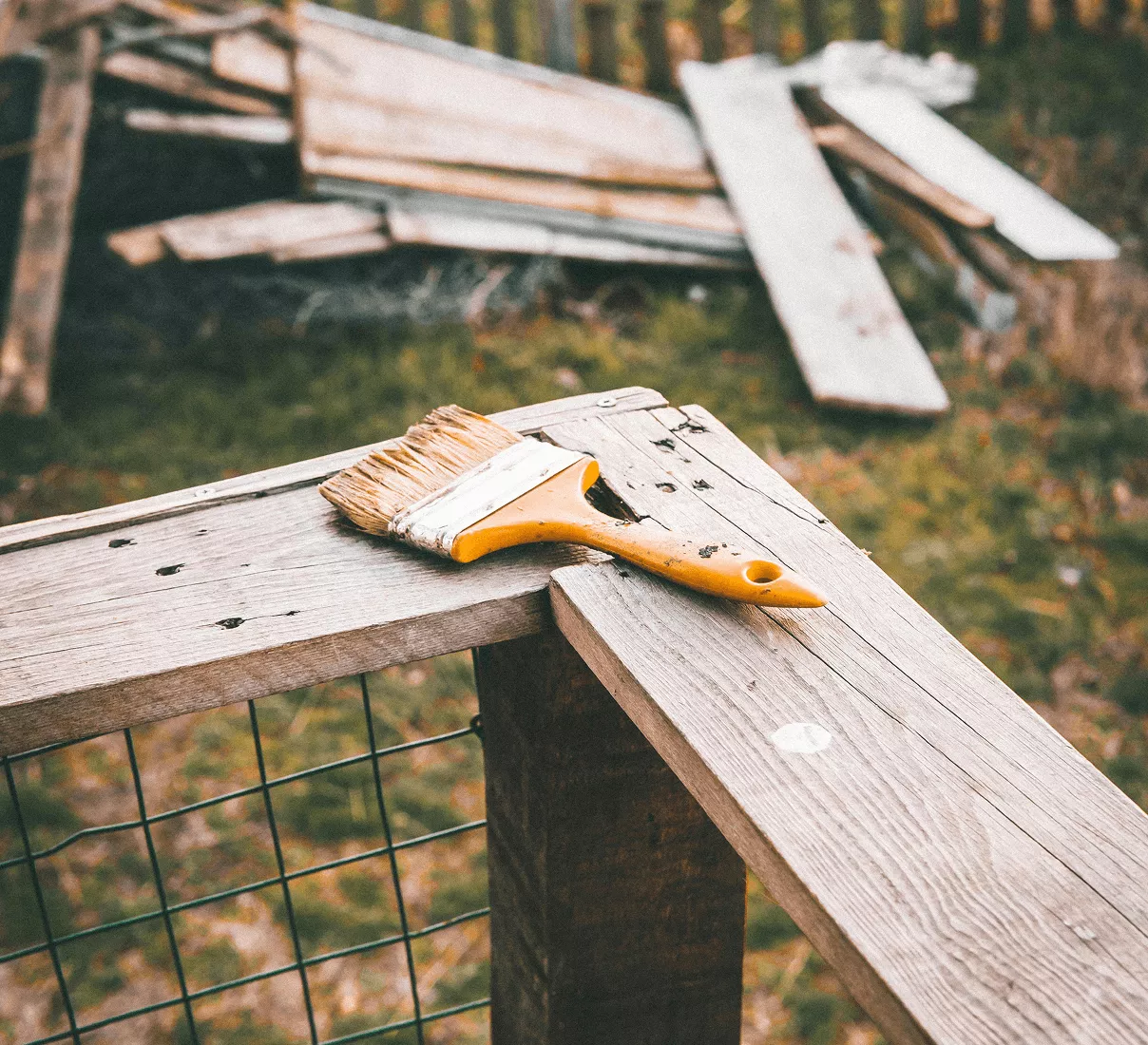
A fence is a long-term commitment. While Wood offers a classic, warm look and is initially more affordable, it requires regular sealing or painting to prevent rot. On the other hand, Vinyl and Aluminum have higher upfront costs but virtually zero maintenance, saving you time and money over the next decade.
Factor in Your Climate
Your local weather plays a huge role in the lifespan of your fence
- High Humidity/Rain: Wood may rot or warp quickly; Vinyl or Aluminum are much better choices here.
- Cold Climates: Extreme frost can cause some materials to crack. Ensure your fence posts are installed deep enough to withstand ground shifts.
Check Local Regulations
Before you dig, check with your local Homeowners Association (HOA) or municipal building department. There may be strict rules regarding:
- Maximum height (usually 6 feet for backyards, 3-4 feet for front yards).
- Approved materials or colors.
- Setback requirements from the property line.
The right fence balances form and function. By considering your specific needs—be it privacy for your family or a secure space for your dog—and matching them with the right material, you can enhance your property’s value for years to come.